
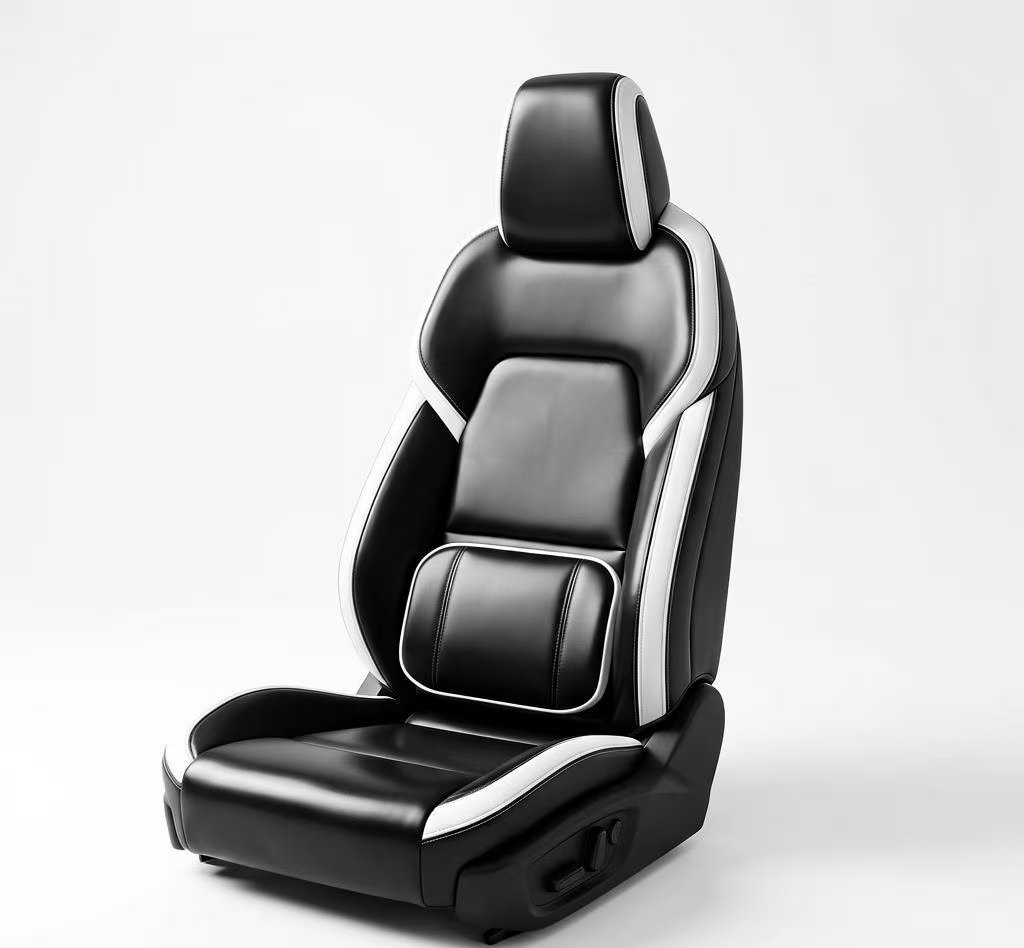
Long drives often lead to that familiar ache in the lower back, stiff muscles, and growing fatigue that makes even experienced drivers feel drained. The culprit is usually poor lumbar support combined with prolonged static posture. Modern automotive engineering has a sophisticated solution: adaptive air bladders in seat lumbar support systems. These dynamic components actively maintain spinal health and significantly reduce driver fatigue.
Understanding the Lumbar Spine Under Driving Stress
The lumbar region (lower back) has a natural inward curve called lordosis. When sitting for extended periods—especially in a car—gravity, vehicle vibrations, and suboptimal seat design flatten this curve. This increases pressure on intervertebral discs, strains supporting muscles and ligaments, and restricts blood flow.
Driving introduces unique stressors:
- Whole-body vibration (especially at 4-5 Hz, close to the spine’s natural resonant frequency).
- Sustained hip flexion.
- Limited ability to shift weight freely due to pedal use and seat constraints.
Over time, this leads to muscle fatigue, reduced circulation, discomfort, and diminished alertness—factors directly linked to decreased driving performance and higher accident risk.
What Are Adaptive Air Bladders?
Adaptive air bladders (also called air lumbar supports or pneumatic lumbar systems) are inflatable chambers embedded within the seatback. Unlike fixed foam or mechanical lumbar supports, these bladders use air pressure that can be adjusted manually or automatically.
Key components typically include:
- Multiple inflatable bladders (often 2–4 or more in advanced systems) positioned at different heights and depths.
- Electric pumps and valves for precise inflation/deflation.
- Pressure sensors that monitor support levels.
- Electronic controls, sometimes integrated with AI or vehicle systems for automatic adjustment.
In premium and emerging vehicles, these systems can dynamically change shape and firmness, adapting to driving conditions, driver posture, or even fatigue signals.
How Adaptive Air Bladders Reduce Fatigue: The Mechanism
- Maintaining Natural Spinal Curvature By inflating to fill the gap between the seatback and the driver’s lower back (typically around the L3-L5 vertebrae), air bladders restore and support the lumbar lordosis. This evenly distributes body weight and reduces compressive forces on spinal discs.
- Dynamic Pressure Adjustment Static support becomes uncomfortable over time. Adaptive systems periodically or automatically adjust pressure, promoting subtle movement (similar to the benefits of active sitting). This prevents muscle stiffness and improves blood oxygenation in the lower back muscles.
- Vibration Damping and Load Distribution Inflated bladders act as a cushion against road vibrations, lowering the transmission of harmful frequencies to the spine. They also help stabilize the pelvis, reducing the need for compensatory muscle tension in the core and upper back.
- Improved Circulation and Reduced Muscle Strain Better posture and periodic adjustments enhance blood flow, decreasing lactic acid buildup and delaying the onset of fatigue. Studies on lumbar support systems show measurable reductions in lower back pain and discomfort during prolonged driving.
Real-World Benefits and Evidence
- Fatigue Reduction: Drivers using effective lumbar support report less overall tiredness, better alertness, and improved breathing (due to upright posture).
- Pain Relief: Research indicates lumbar systems alleviate strain and lower the prevalence of back pain among frequent drivers.
- Safety Implications: Reduced discomfort means fewer distractions and slower onset of drowsiness—critical for long-haul truckers, commuters, and EV drivers on extended trips.
- Integration with Other Tech: Many systems combine with massage functions, heated/ventilated seats, and even AI-driven personalization that learns driver preferences over time.
Who Benefits Most?
Adaptive air lumbar supports are especially valuable for:
- Professional drivers and rideshare operators.
- EV and hybrid owners on long highway trips.
- Anyone with pre-existing lower back issues.
- Commercial and off-road vehicle operators facing rough conditions.
The Future of Lumbar Relief
Automakers are patenting advanced adaptive seats using air bladders that can change overall shape and firmness. Future systems may integrate with biometric sensors to detect slouching or fatigue and proactively adjust support, massage, or even suggest breaks.
As vehicles become more autonomous, these technologies will shift focus from basic support to proactive wellness—transforming the driver’s seat into a personalized ergonomic environment.
Conclusion
Adaptive air bladders represent a significant leap in automotive ergonomics. By combining principles of biomechanics, pressure dynamics, and intelligent control, they actively combat the physical toll of driving. Whether you’re on a daily commute or a cross-country journey, proper lumbar support isn’t a luxury—it’s a science-backed way to stay comfortable, alert, and safer behind the wheel.
If you spend significant time driving, consider vehicles with advanced air lumbar systems or aftermarket solutions. Your back—and your overall driving experience—will thank you.