
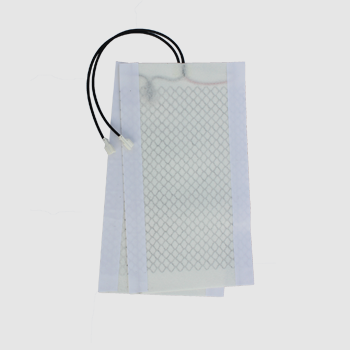
If you’ve ever sat on a freezing car seat in winter, you know how uncomfortable it can be. Car seat heaters are the perfect solution—they provide instant warmth and transform your driving experience. But how exactly do they work?
In this guide, we’ll break down the science behind car seat heaters, compare different heating technologies, and explain why they’re a must-have for cold-weather driving.
1. How Car Seat Heaters Work: The Science Behind the Warmth
Car seat heaters use electrical resistance heating to generate warmth. Here’s a step-by-step breakdown:
Step 1: Power Supply
- Most seat heaters run on 12V or 24V DC power (from your car’s battery or cigarette lighter).
- Some luxury cars have built-in heating systems, while aftermarket kits can be installed separately.
Step 2: Heating Element Activation
- When you turn on the seat heater, electricity flows through a heating element (usually carbon fiber or metal wires).
- The resistance in the wire converts electrical energy into heat (Joule heating effect).
Step 3: Heat Distribution
- The heating element is embedded in a thin, flexible pad that sits under your seat cover.
- Heat spreads evenly across the seat surface, warming you in 3-5 minutes.
Step 4: Temperature Control
- Modern seat heaters have adjustable thermostats (typically 3-5 heat settings).
- Some advanced models feature auto-shutoff to prevent overheating.
2. Carbon Fiber vs. Traditional Heating Wires: Which is Better?
| Feature | Carbon Fiber Heaters | Traditional Wire Heaters |
| Heating Speed | 2-3 minutes (faster) | 5-8 minutes (slower) |
| Energy Efficiency | Low power consumption (~30W) | Higher power (~50W) |
| Durability | Flexible, resistant to bending | Prone to breakage over time |
| Heat Distribution | Even warmth, no hot spots | May have uneven heating |
| Cost | Slightly more expensive | Cheaper but less efficient |
✅ Winner: Carbon Fiber – Faster, safer, and more energy-efficient.