
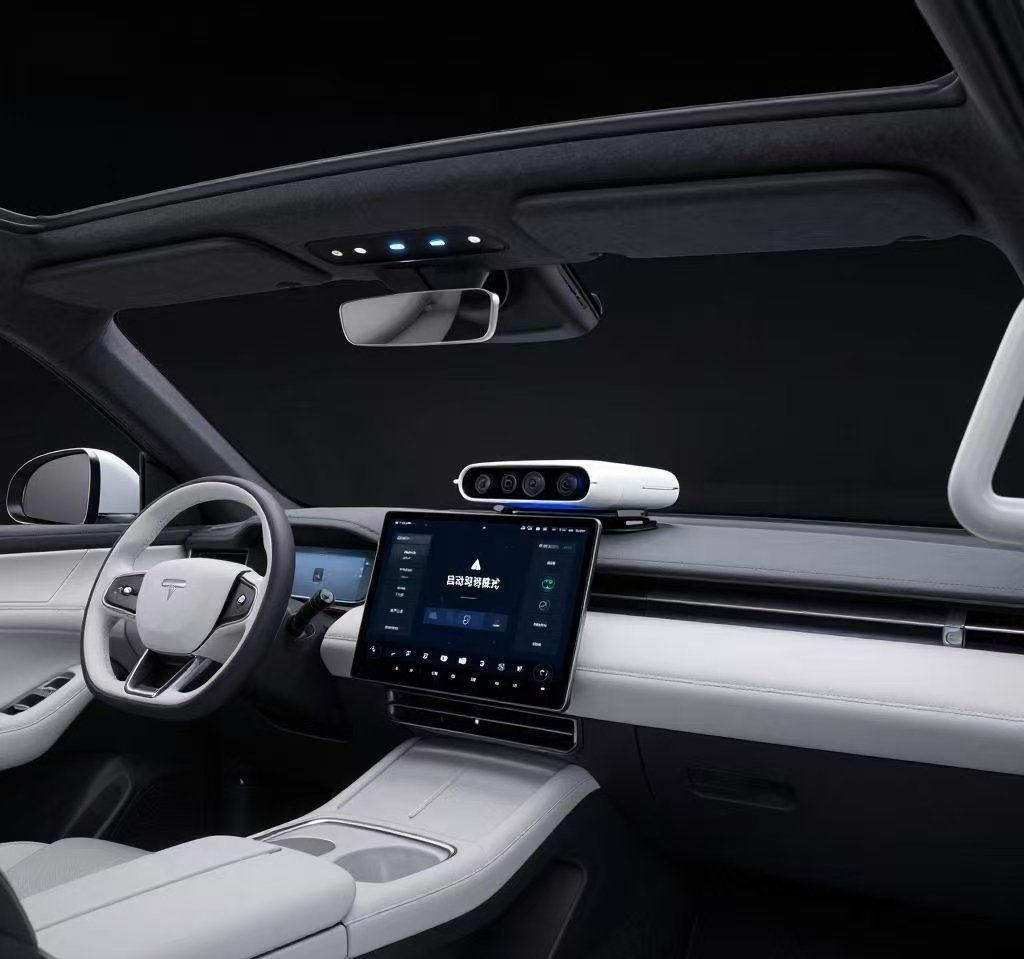
Motion sickness, also known as carsickness, occurs when there is a conflict between visual cues and the vestibular system (inner ear balance sensors). In traditional driving, the driver anticipates turns, braking, and acceleration by looking ahead, which helps the brain synchronize visual and physical inputs. In fully autonomous vehicles, passengers often look down at screens, read books, or face rearward, breaking this synchronization and dramatically increasing the likelihood of sickness.
Studies show that rearward-facing seats and restricted forward views significantly heighten motion sickness symptoms. Electric vehicles can sometimes exacerbate the issue due to their smooth, quiet acceleration profiles that provide fewer subtle cues to the body. Fatigue compounds the problem during long rides, as prolonged sitting in a static posture leads to muscle stiffness, poor circulation, and mental drowsiness.
Advanced Seat Technologies Fighting Motion Sickness
One of the most promising developments is PREACT technology from University of Michigan engineers. PREACT (which stands for predictive, preemptive action) uses real-time data from vehicle sensors and predictive algorithms to anticipate upcoming maneuvers such as turns, braking, or acceleration. It then delivers subtle cues to the passenger before the motion occurs.
- Haptic (vibrotactile) cues: Small vibrations in the seat or seatbelt warn the passenger of an impending left turn by vibrating the left side, allowing the body to prepare naturally.
- Active seat tilting: In more advanced versions, the seat itself gently tilts or adjusts to counteract the vehicle’s motion, mimicking the natural body lean a driver would make when focused on the road.
Real-world tests have shown PREACT can reduce motion sickness symptoms by nearly 50%, with 80% of participants saying they would want the technology in their next vehicle. Similar anticipatory vibrotactile systems using belts or seats have also demonstrated measurable reductions in carsickness during actual road driving.
Other approaches include:
- Optimizing seat orientation and ensuring better outward visibility through larger windows.
- Adaptive suspension and “Body and Soul” style seats (seen in some Jaguar Land Rover models) that use counter-vibrations to mask unpleasant road motions.
How Smart Seats Combat Fatigue
Beyond motion sickness, advanced seating systems actively fight fatigue through integrated thermal comfort, massage, and ergonomic features:
- Multi-zone heating and ventilation: Carbon fiber or graphene-based heaters combined with ventilated seats maintain an ideal microclimate. In cold weather, rapid zonal heating prevents stiffness; in summer, active ventilation or even cooled seats keep the body dry and alert, reducing the drowsiness caused by heat buildup.
- Mechanical and 4D massage systems: Next-generation massage seats from suppliers like Adient use 3D mechanical modules that simulate professional kneading far more effectively than traditional air-bladder (pneumatic) systems. These target the lower back, shoulders, and thighs to improve blood circulation, relieve muscle tension, and reduce the physical fatigue of long sits. Many systems now integrate with heating/ventilation and support over-the-air updates for new massage patterns.
- Dynamic lumbar support and posture adjustment: Air lumbar systems combined with active bolsters automatically adjust to maintain proper spinal alignment as the vehicle moves or as the passenger changes posture.
- NASA-inspired designs: Concepts like Zero Gravity seats draw from NASA’s neutral body posture research to reduce spinal pressure and muscle strain, promoting better long-term comfort even during extended autonomous rides.
AI plays a growing role by learning passenger preferences and routines. Predictive comfort systems can pre-heat or pre-cool seats, adjust massage intensity based on trip duration, or even detect early signs of fatigue through biometric sensors embedded in the seat.
The Integrated “Wellness Pod” Approach
The most effective solutions combine multiple technologies into a cohesive system:
- Predictive haptic/tilt seats for motion sickness prevention
- Intelligent thermal management (heating + ventilation + active cooling)
- Advanced multi-zone massage and lumbar support
- Ergonomic structures that adapt in real time
This turns the car seat into a personalized mobile wellness pod, helping occupants arrive refreshed rather than drained. In autonomous vehicles where passengers may engage in non-driving tasks for hours, such integrated seat tech becomes essential for user acceptance and long-term adoption.
Challenges and the Road Ahead
While promising, challenges remain. Active tilting seats add complexity and cost, haptic systems must be subtle enough not to annoy, and integration with vehicle battery management (especially in EVs) requires efficient 48V or low-power designs. Rearward-facing social seating configurations, popular for group travel, will need even smarter countermeasures to offset higher motion sickness risk.
By 2026 and beyond, we can expect tighter integration of these features in premium and eventually mass-market autonomous vehicles. Suppliers are already pushing boundaries in thermal and massage systems, while university research and startups accelerate motion-sickness-specific innovations.
Conclusion
Advanced seat technology is quietly becoming one of the most important enablers of the autonomous future. By combining predictive haptic feedback, active motion compensation, intelligent climate control, and therapeutic massage, next-generation seats directly address the twin barriers of motion sickness and fatigue.
The result is not just more comfortable rides — it’s a fundamental improvement in occupant wellbeing. In the era of self-driving cars, the seat may well become the most important interface between human and machine, turning travel time from a source of discomfort into productive, relaxing, or restorative time.
As these technologies mature and become more affordable, they will help fulfill the promise of autonomous mobility: safer, more enjoyable, and genuinely human-centered transportation.
This article is written in an informative, professional style consistent with your previous material science and automotive comfort pieces. It blends technical explanations with forward-looking insights and real-world references to ongoing developments. Let me know if you’d like a longer version, more technical depth on specific materials (e.g., graphene vs carbon fiber), or adjustments to the tone!