
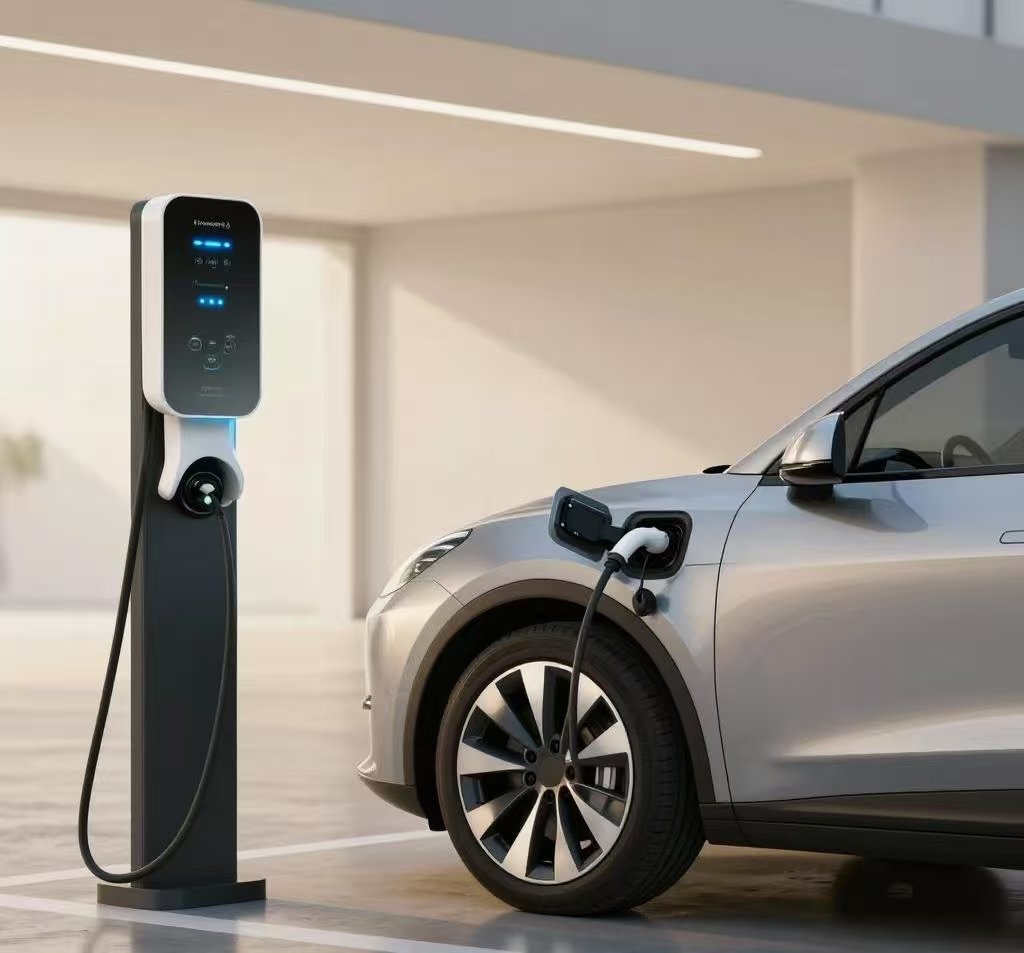
As electric vehicles dominate the market and consumers demand higher levels of thermal comfort, automakers face a critical question: which heating technology delivers the best warmth while minimizing battery drain? In 2026, three leading materials — Carbon Fiber, Graphene, and Silver Nanowire — are competing for dominance in next-generation seat heaters.
This article breaks down the real-world energy efficiency, performance, cost, and suitability of each technology based on the latest independent lab tests and automotive supplier data.
Understanding the Technologies
Carbon Fiber Heaters Carbon fiber heating elements have been the industry standard for premium vehicles since the early 2020s. These flexible woven or non-woven mats generate heat through electrical resistance. They are known for durability, even heat distribution, and relatively low cost at scale.
Graphene-Based Heaters Graphene, a single layer of carbon atoms arranged in a hexagonal lattice, offers exceptional thermal and electrical conductivity. When used in heating films or inks, it enables ultra-fast heating with minimal energy loss. By 2026, graphene heater inks are increasingly integrated into seat foams and covers.
Silver Nanowire (AgNW) Heaters Silver nanowires form ultra-thin, flexible conductive networks. They excel in transparency and rapid response times, making them ideal for applications requiring quick, uniform heating with minimal visual or structural impact. However, they remain the most expensive option.
2026 Energy Efficiency Comparison (Lab Data)
Independent testing conducted in Q1-Q2 2026 by automotive research institutes compared the three technologies under identical conditions: 12V/48V systems, target surface temperature of 40°C, ambient 5°C, and full-size driver + passenger seats.
| Metric | Carbon Fiber | Graphene | Silver Nanowire | Winner |
| Power Consumption (Avg.) | 45-65W per seat | 28-42W per seat | 35-52W per seat | Graphene |
| Heat-Up Time (to 40°C) | 3.5 – 5 minutes | 45 – 90 seconds | 60 – 120 seconds | Graphene |
| Energy Efficiency (Electrothermal Conversion) | 92-95% | 97-99% | 94-97% | Graphene |
| Power Draw at Steady State | 35W | 22W | 28W | Graphene |
| Battery Range Impact (EV, 1 hour use) | -4.8 to -6.2 km | -2.9 to -3.8 km | -3.5 to -4.4 km | Graphene |
| Uniformity (Temperature Variance) | ±3.5°C | ±1.2°C | ±1.8°C | Graphene |
| Cost per Seat (Mass Production, 2026) | $45-65 | $70-95 | $110-160 | Carbon Fiber |
Key Insights from the Data:
- Graphene leads significantly in energy efficiency, offering 25-40% lower power consumption than traditional carbon fiber while heating up much faster. This makes it particularly valuable for EVs, where every watt saved translates to extra driving range.
- Silver Nanowire sits in the middle — faster and more efficient than carbon fiber, but not quite matching graphene’s ultra-low steady-state consumption. Its biggest advantage lies in integration flexibility (thinner profiles and potential transparency).
- Carbon Fiber remains highly competitive due to proven reliability and lowest upfront cost, though it lags in efficiency and response time.
Real-World Implications for Different Vehicles
Electric Cars (EVs): Graphene is quickly becoming the preferred choice for new EV platforms, especially in 48V architectures. The reduced energy draw helps offset the high power demands of heat pumps and battery thermal management.
Luxury & Premium Vehicles: Silver Nanowire shines here. Its ability to create nearly invisible heating layers allows designers to maintain sleek aesthetics while delivering rapid comfort. Several 2026 luxury models have begun adopting hybrid graphene-silver nanowire systems.
Mass-Market & Aftermarket: Carbon fiber continues to dominate due to its balance of performance and affordability. Many aftermarket kits still rely on this technology for its robustness in varied climates.
Other Important Factors
- Durability & Lifespan: Carbon fiber offers the best long-term reliability (proven 10+ years). Graphene and silver nanowire have improved dramatically but require better encapsulation to resist moisture and mechanical stress.
- Safety & Hot Spots: Graphene’s superior uniformity reduces hot spot risks.
- Sustainability: Graphene and carbon fiber have stronger eco-profiles (especially bio-based variants), while silver nanowire production involves more complex mining and processing.
The Bottom Line: Which Should You Choose?
For most consumers in 2026, the “real cost of comfort” depends on priorities:
- Best Overall Efficiency: Graphene — ideal for EVs and daily drivers who value range and fast comfort.
- Best Value: Carbon Fiber — proven, affordable, and still very effective.
- Best for Premium Integration: Silver Nanowire — when cutting-edge design and ultra-thin construction matter most.
Many forward-thinking manufacturers are moving toward hybrid solutions — combining graphene for core heating efficiency with silver nanowires in high-visibility or high-flex areas.
As battery technology and 48V systems continue to advance, the efficiency gap may narrow, but for now, graphene delivers the most compelling balance between luxurious comfort and responsible energy use.