
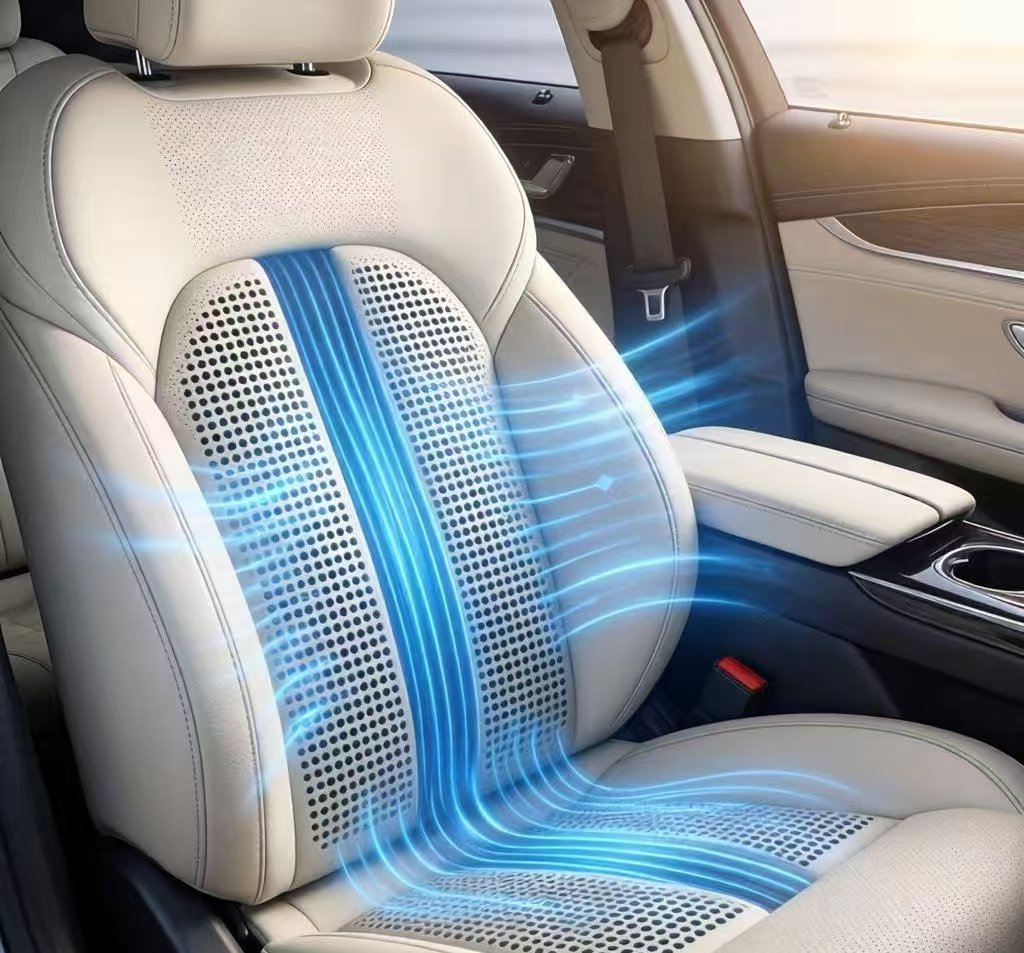
Modern cars are becoming increasingly sophisticated wellness pods, but one often-overlooked factor in maintaining a healthy cabin environment is seat ventilation. While most drivers associate ventilated seats primarily with cooling comfort during hot weather, their influence on overall air quality and allergy management is far more significant than many realize.
How Seat Ventilation Actually Works
Seat ventilation systems use small fans embedded within the seat cushion and backrest to actively draw air through perforated leather or fabric surfaces. There are two main types:
- Pull-type ventilation: Draws air away from the body and pushes it into the cabin or under the seat.
- Push-pull systems (more advanced): Combine blowing fresh air and extracting moist air simultaneously.
This constant airflow doesn’t just remove body heat and moisture — it actively circulates cabin air at the point of contact, where humidity and contaminants tend to accumulate most.
Positive Effects on Cabin Air Quality
- Humidity Control The human body releases significant moisture while sitting — especially in warm conditions. Without ventilation, this moisture gets trapped in the seat foam and upholstery, creating an ideal breeding ground for mold, mildew, and bacteria. Active ventilation significantly reduces relative humidity around the occupant, typically lowering it by 10–25% compared to non-ventilated seats.
- Reduced Particulate Matter Accumulation Ventilated seats help prevent the buildup of fine dust, skin flakes, and fibers that settle into seat surfaces. By continuously moving air, they reduce the “reservoir effect” where allergens remain trapped in the seat and are later re-released when someone sits down or when the HVAC system kicks in.
- Improved Overall Cabin Circulation Seat ventilation works in synergy with the car’s HVAC system. It creates micro-circulation zones that help prevent stagnant air pockets, especially in the lower cabin area where many pollutants concentrate.
Impact on Allergies and Respiratory Health
Studies and real-world testing show clear connections between seat ventilation and allergy symptom reduction:
- Dust Mites and Mold: These thrive in humid, warm environments. Effective seat ventilation makes it much harder for dust mite populations to establish themselves in seat foam.
- Pollen Management: In spring and fall, pollen that enters through doors or the HVAC system can settle on seats. Ventilation helps lift and move these particles toward the cabin filter more efficiently.
- Pet Dander: For pet owners, ventilated seats can help reduce dander accumulation, though proper seat covers are still recommended.
- Volatile Organic Compounds (VOCs): New car smell and off-gassing from interior materials can be partially mitigated by better airflow around seating areas.
However, there’s an important caveat: Poorly maintained ventilated seats can actually worsen air quality. If the system pulls air through dirty filters or contaminated seat channels, it may redistribute allergens throughout the cabin.
Best Practices for Maximizing Benefits
To turn your ventilated seats into an allergy-fighting asset:
- Choose the Right Seat Covers: Not all covers work with ventilation. Look for perforated, breathable materials (high-quality mesh or specialized ventilated leather alternatives). Avoid thick, non-breathable neoprene or heavy cotton covers that block airflow.
- Regular HVAC Filter Replacement: Use high-quality cabin air filters with activated carbon or HEPA-grade media. Replace every 6–12 months, or more frequently if you suffer from allergies.
- Seat Cleaning Protocol: Vacuum seats thoroughly with a HEPA-filter vacuum and use appropriate upholstery cleaners. Some manufacturers now offer seats with antimicrobial treatments.
- Use with Smart Climate Control: Many new vehicles automatically activate seat ventilation when interior humidity rises, creating an intelligent humidity management loop.
- Pre-Drive Ventilation: Some premium models allow you to activate seat ventilation remotely or via timer to “air out” the seats before entering.
Emerging Technologies (2026–2028 Outlook)
The next generation of seat ventilation is moving beyond simple fans:
- Nanofiber and Graphene-Enhanced Covers: These materials offer superior breathability while actively inhibiting bacterial growth.
- Integrated Air Purification: Some concepts combine seat ventilation with localized UV-C light or photocatalytic filters to neutralize allergens at the source.
- AI-Controlled Systems: Future systems will monitor humidity, CO₂, and particulate levels at seat level and automatically adjust fan speed and direction for optimal air quality.
- Positive Ionization: Advanced systems may incorporate ionizers that help particles clump together and be more easily captured by filters.
Final Thoughts
Seat ventilation is no longer just a luxury comfort feature — it has become an important component of cabin health management. When properly designed, maintained, and paired with quality materials and filters, ventilated seats can meaningfully improve air quality and reduce allergy symptoms for millions of drivers.
For allergy sufferers and families with young children, investing in vehicles with well-engineered ventilated seats — and maintaining them properly — may provide more daily relief than many realize. As automotive technology continues to evolve, the humble ventilated seat is quietly playing a bigger role in creating healthier, more comfortable driving experiences.